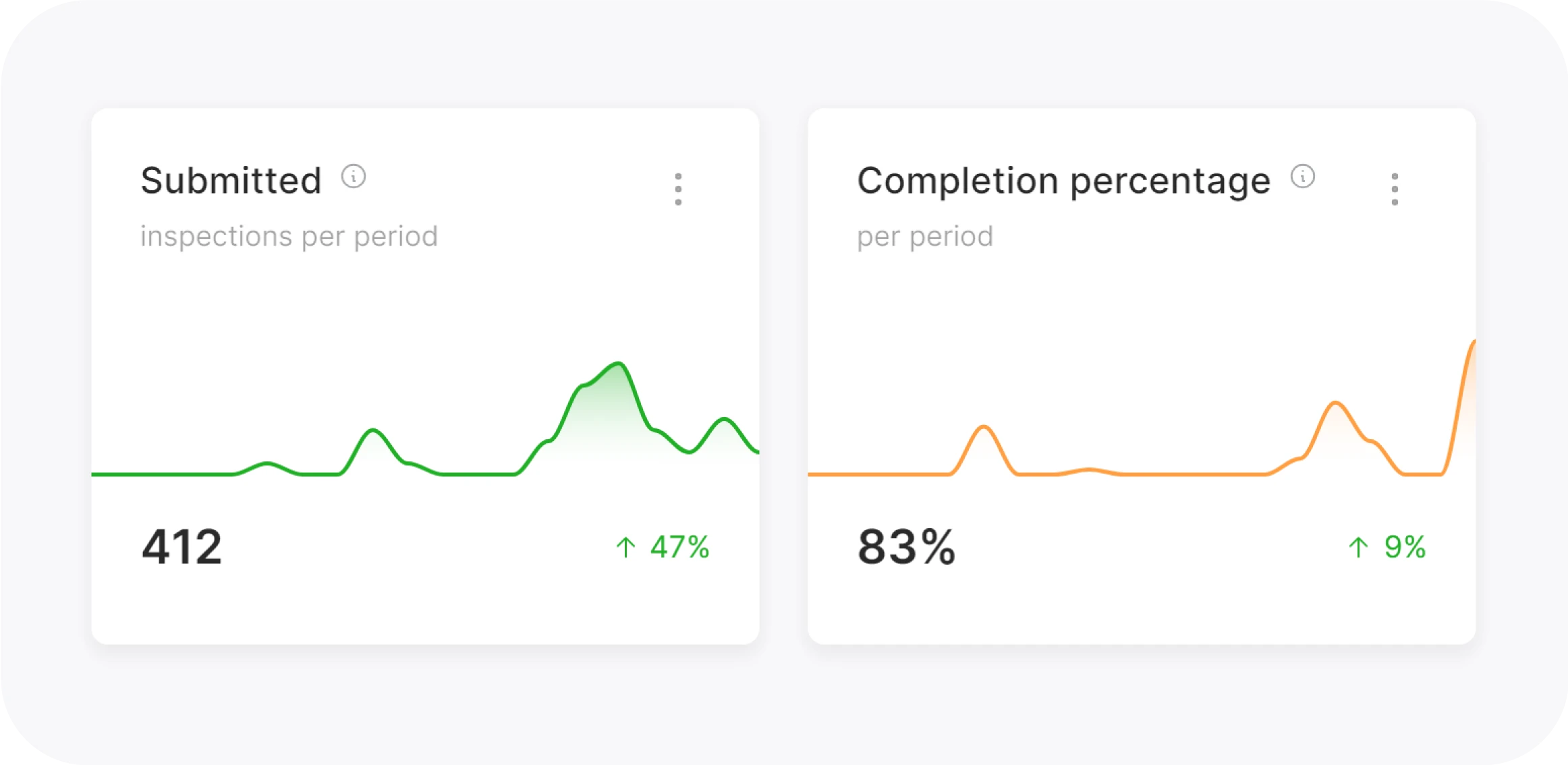
Facility patrols and inspections
Security, fire safety, equipment. A record that holds up in an external audit.
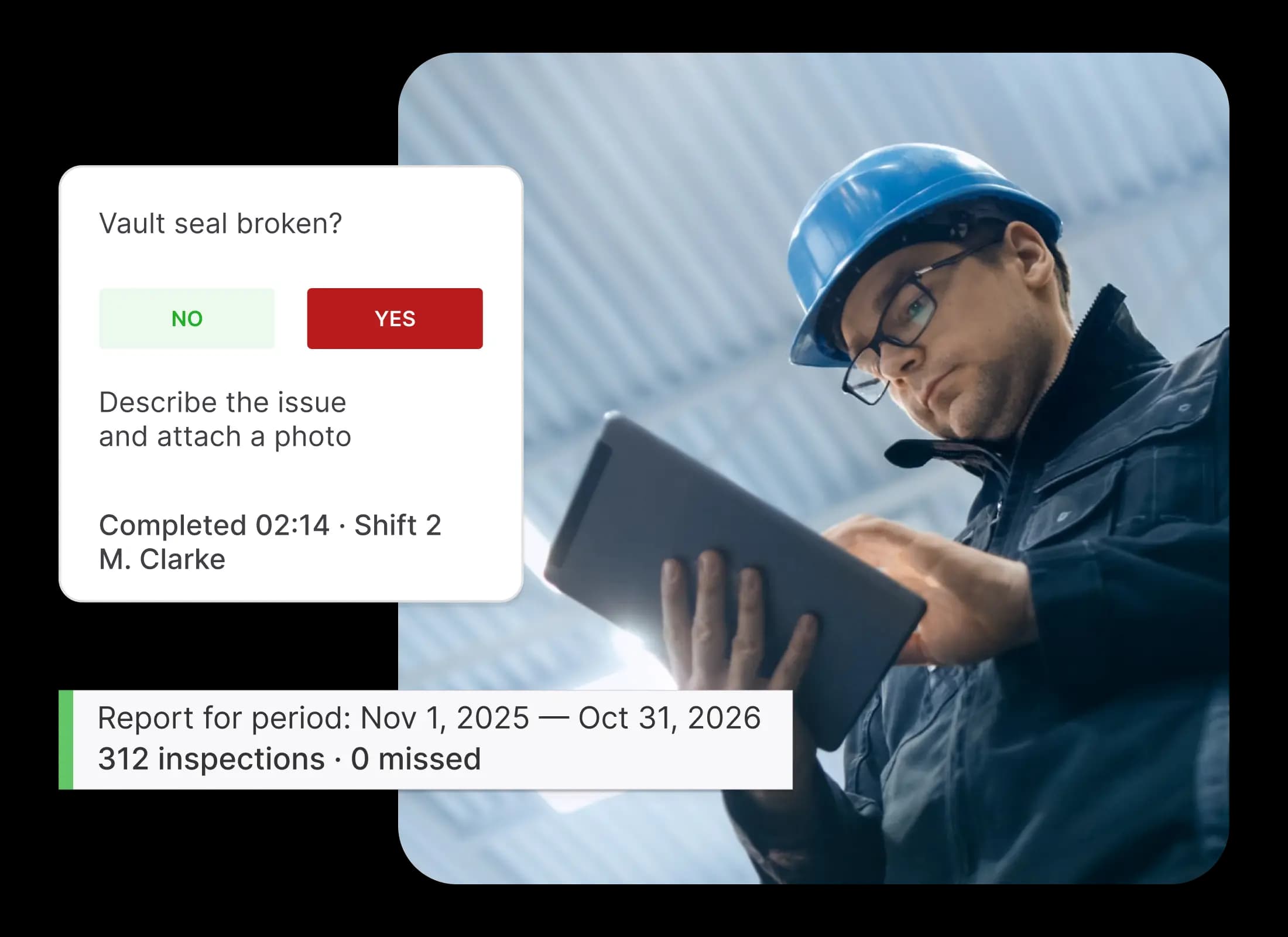
Ready for an external audit
The audit notice arrives 30 days ahead, but the evidence has to cover a year. A paper log can be backdated — a record with an actual timestamp cannot.
Three levels of control
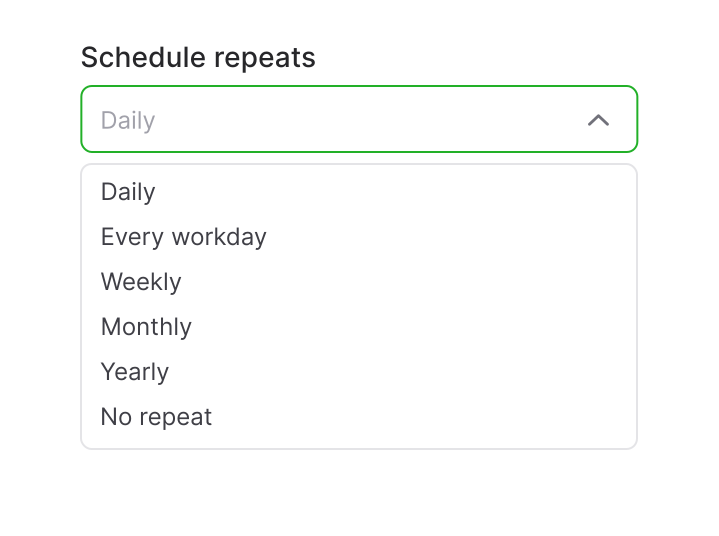
An example from a secure production site: a daily patrol, a weekly audit and a monthly report. Each level starts by checking the one below it.
- Daily: perimeter and security systems
- Weekly: audit of reports, backups and logs
- Monthly: site manager's report
- A gap below becomes a deviation above
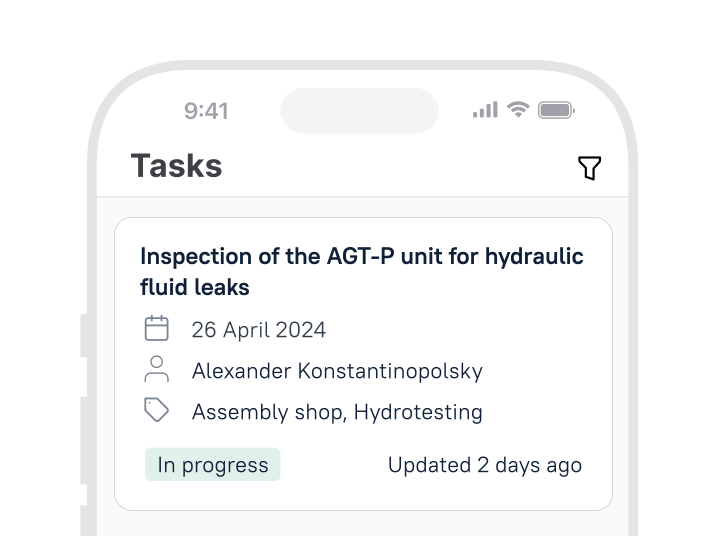
Patrols from a phone
The inspection is filled on the spot — at the door, in the basement, on the perimeter. Nothing is retyped in the office next morning, so the time on the record is the real one.
- Filled on the route, not after the shift
- Works with no connection, syncs later
- Android and iOS, phone or tablet
- A reminder before a scheduled patrol
Properties of the record
The value is not in what the inspection covers but in what it leaves behind. That is the difference between a document and evidence.
- Author and actual completion time
- Mandatory comment on a deviation
- Photos are taken at the moment of inspection
- Assigned performer and deadline
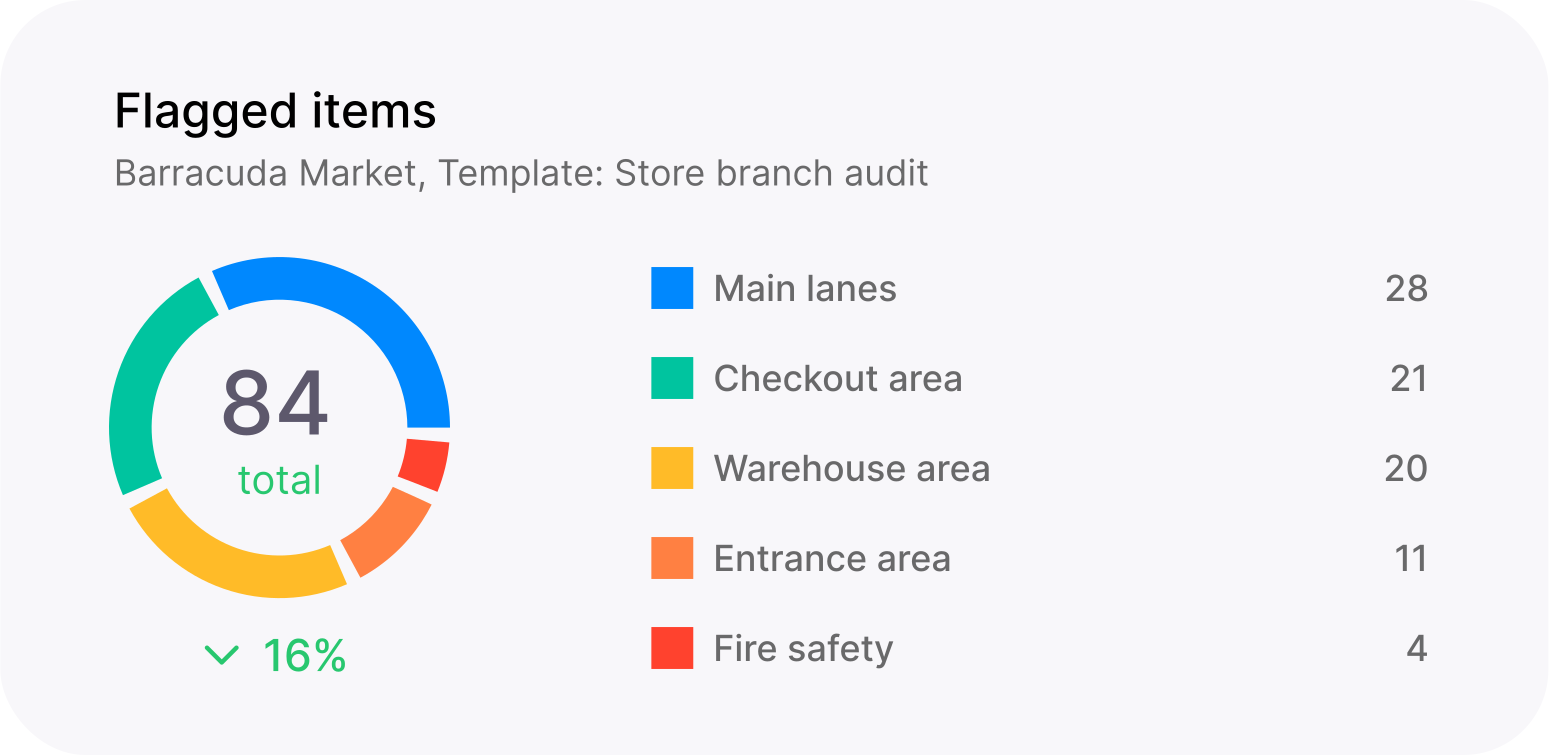
Export for an external audit
A report for a month, a quarter or two years — in the form auditors ask for, with no preparation and nothing reconstructed from memory.
- Any period, from a single shift to two years
- Shows what was missed, not only what was done
- Broken down by site, shift and performer
- Retention for the period the standard requires